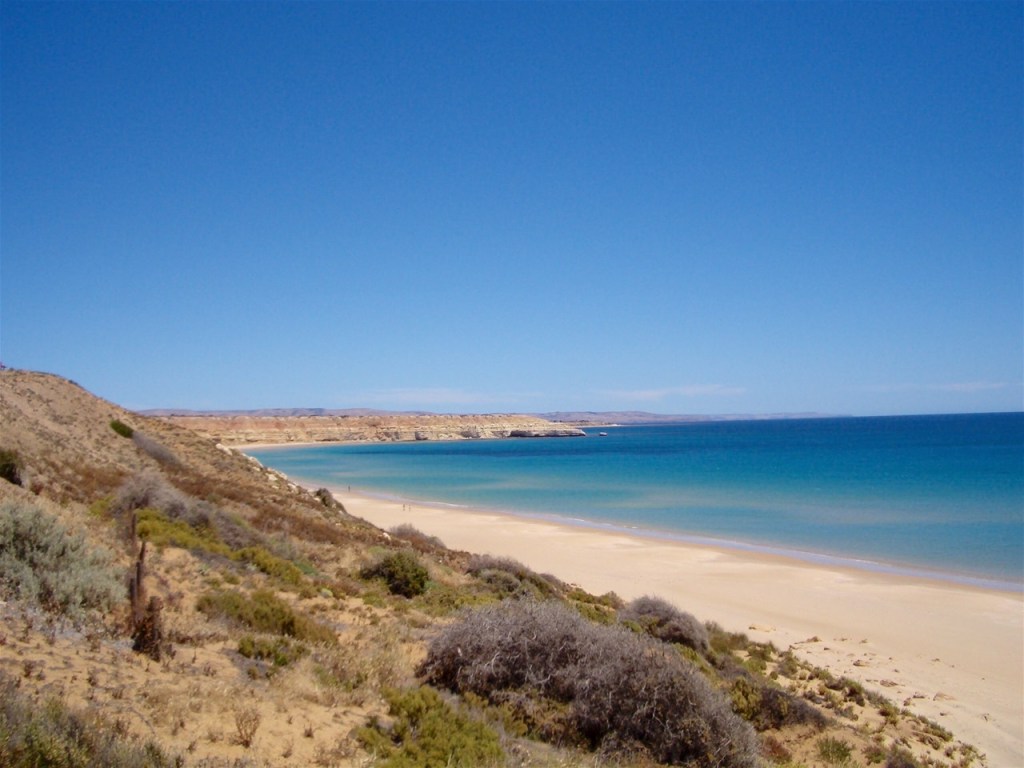
The Mediterranean coast. Tranquil, calm, peaceful
G Says…
Granada, last stronghold of the Moorish invaders.
700 years that changed the entire fabric of Spanish society.
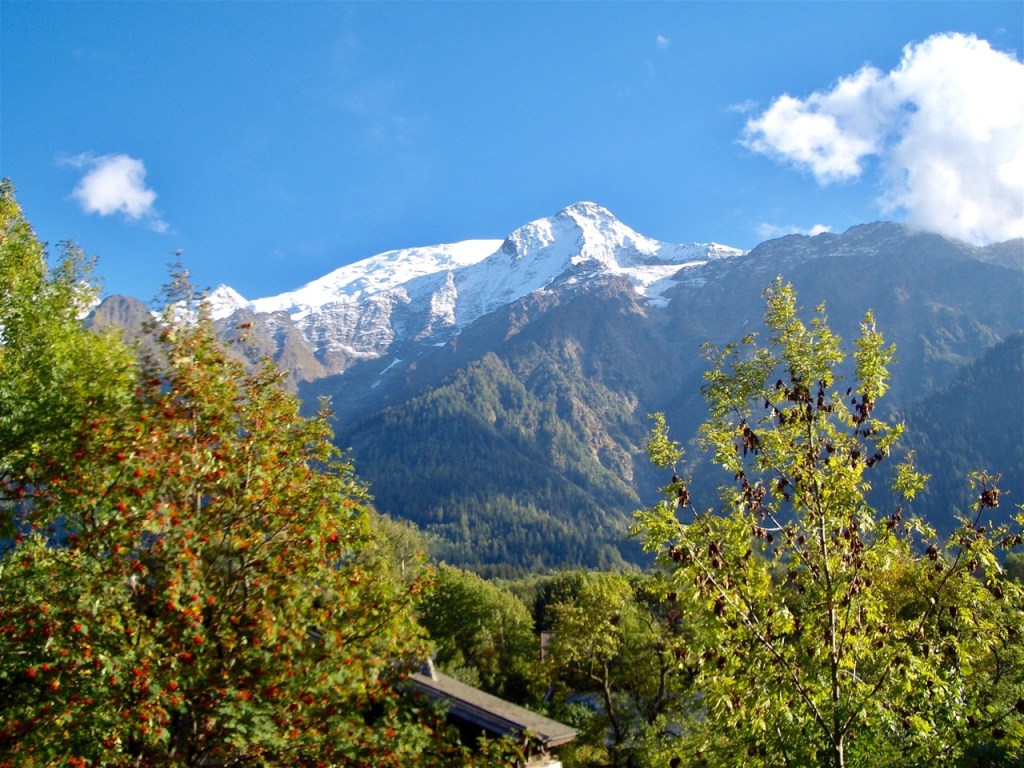
Ooh, look. Snow. First glimpse. It’s March 28th but there’s plenty of snow still hanging around
Yesterday, we set off early, in the dark, as we had a long day ahead of us and the forecast was for another very warm day. We adopted our usual routine on such occasions where one of us drives while the other sleeps. Those of you who know Marigold will have guessed who does what in this arrangement.
The sunrise was magnificent and as the distant hills came into view the morning sun positively gleamed on their whitened peaks.
‘Change of plan,’ I mused and turned inland towards Granada. By the time Marigold woke from her slumbers, urgently proclaiming need of coffee, we were high in the Sierra Nevadas, the air was cool and fresh and there wasn’t a cafe for miles. There was snow all around, still enough to attract the ski brigade, but only just over an hour ago we were alongside the Mediterranean and we’re now surrounded by a winter wonderland scene good enough to grace a Christmas card.
We weren’t equipped for mountain walking, but the first intrepid hikers/trekkers were already rolling up, wearing woolly hats proclaiming their dubious fashion sense, so we left them to it and set off back towards Granada.
Granada, a city we have visited maybe a dozen times. Today was vile, traffic was mad, tourist buses and taxis everywhere, all blasting their horns. We followed a line of tourist coaches, not much choice due to road works closing the road we had intended to use and ended up at the entrance to the Alhambra Palace. When we first came here entrance to the Alhambra Palace was relatively cheap and we ‘paid on the day.’ Now it’s necessary to book a timed visit at least a week in advance and in the summer months will be several weeks in advance. In modern times the Alhambra Palace and Gardens is Spain’s most visited site. It was certainly pretty busy when we turned up.
As nobody was going anywhere for a while, gridlocked roads with apoplectic taxi drivers leaning on their car horns in frustration, we got out and mingled.
We spoke to a group of hill walkers, all wearing many layers of clothing, who were gnashing their teeth as they had been due to go into the palace over half an hour ago but there was ‘the backlog of all backlogs’ as one woman put it and they had come all the way from Torrox for this special treat. It’s 45 euros each for the bog standard entrance fee, but several of the hill walkers had booked a PrivateTour Guide at 220 euros per person. Blimey! No wonder they were getting cross at the delays.
We abandoned their tales of woe as the traffic began to move again, but the city centre was just more of the same. A mutual decision was taken to abandon our plans and head for somewhere less stressful. Marigold said, ‘we aren’t coming here again until they sort out the traffic.’ Take note, Granada, you have been warned.
The Puerto del Suspiro del Moro or Pass of the Moor’s Sigh is a mountain pass in the Sierra Nevada mountain range and we drove through it this morning. It’s when the city of Granada first comes into sight and today it wasn’t particularly welcoming as the city was enveloped in a smog layer to rival Los Angeles. Leaving Granada, looking back at the city, is the reason this mountain pass is so celebrated as it was here the very last Sultan of Granada together with all his retinue took his last glance at the glorious Alhambra with its spectacular water features and exotic gardens, about to be no more than a distant memory.
It was on January 2nd, 1492, that Abdalla Mohammed X11 finally admitted defeat, his city having been under siege for eight months by the army of Ferdinand the second, one of the leading lights of a strife riven and fragmented Spain. Mohammed, known as Boabdil to his conquerors, had a Moorish ‘nickname,’ Ez-Zogoiby, meaning ‘the unlucky one’ and he had been convinced throughout much if his life that fate was conspiring against him and that ‘the Kingdom would come to an end under my rule.’
Turns out he was right. Over 700 years of Moorish occupation of Spain was finally at an end. As the final surrender act took place an interested spectator was Christopher Columbus who was seeking Royal patronage for his next voyage of discovery. In April Ferdinand and Isabella agreed to sponsor that Genoese explorer who wanted to find a route to the Indies by travelling west.
Yes, Columbus, that’s the same one and it’s 1492, a significant date in history as it marked the year in which America was ‘discovered’ by European invaders.
As the deposed Sultan took his last glance at his beloved city he wept and was severely admonished by his mother, Aisha, who told him, ‘ “Llora, llora como mujer por lo que no supiste defender como hombre” – “Weep, weep like a woman, over what you couldn’t defend like a man.”
Tough lady!
In April 711, the Arab governor of Tangiers, Tariq ibn-Ziyad, had crossed the narrow strait of water between what are now Morocco and Spain with an army of nine thousand Berbers and began a process that was to see the Arabic influence extend to food, agriculture, architecture and just about very single detail of life on the European continent until they were finally driven back from whence they came in 1492. As a couple who lived for many years in ‘El-Andalus’ in Southern Spain, we can certainly vouch for the impact made by these sophisticated invaders.
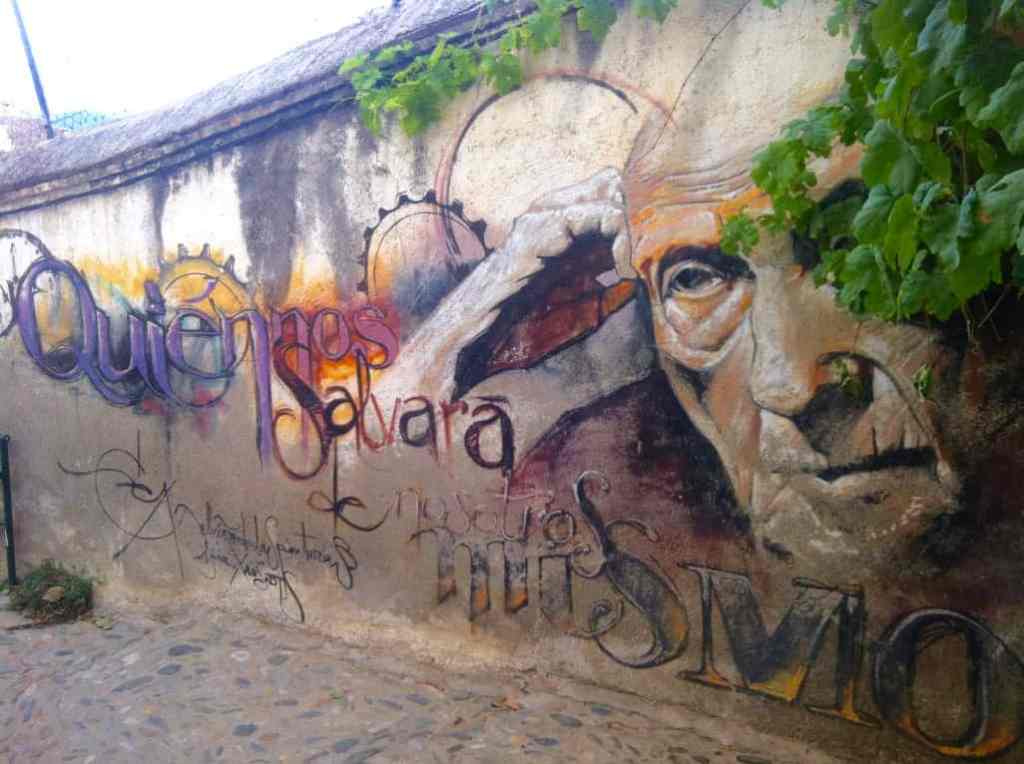
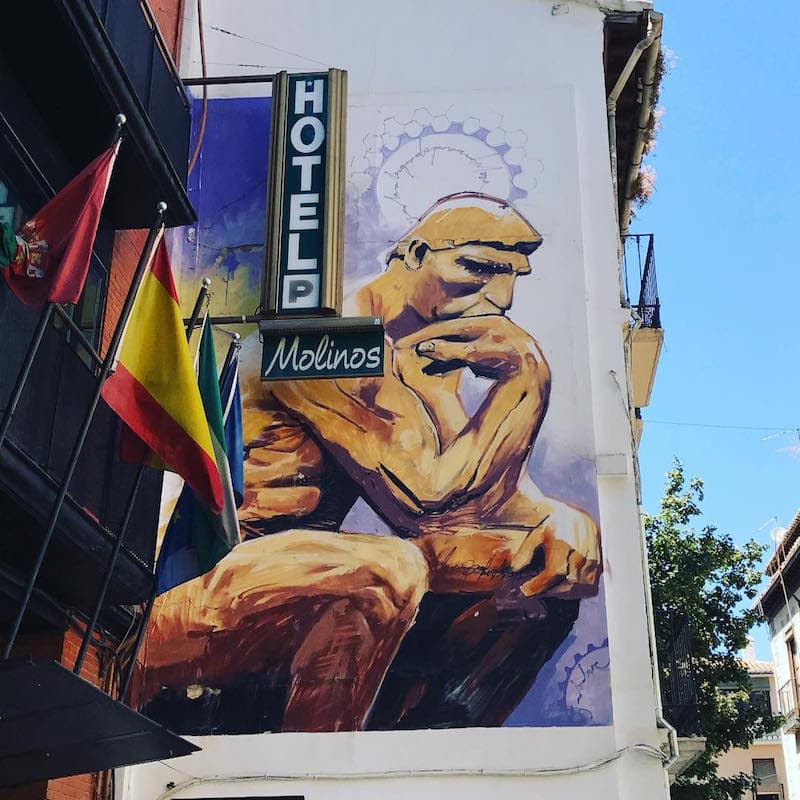
We had intended to do so much on this trip to Granada, but fate (and traffic) conspired against us. We barely glimpsed the vibrant street art which had been a highlight of previous visits. One of Europe’s most renowned street artists, Raul Ruiz, or El Niño de las Pinturas – undoubtedly the Banksie of Spain – comes from Granada and his street art is everywhere.
The best place to see the Alhambra Palace is from the hill opposite, which happens to be our favourite sector of the city. I take photographs on every occasion we visit and every single one is different due to variations in the light at different times of the day.
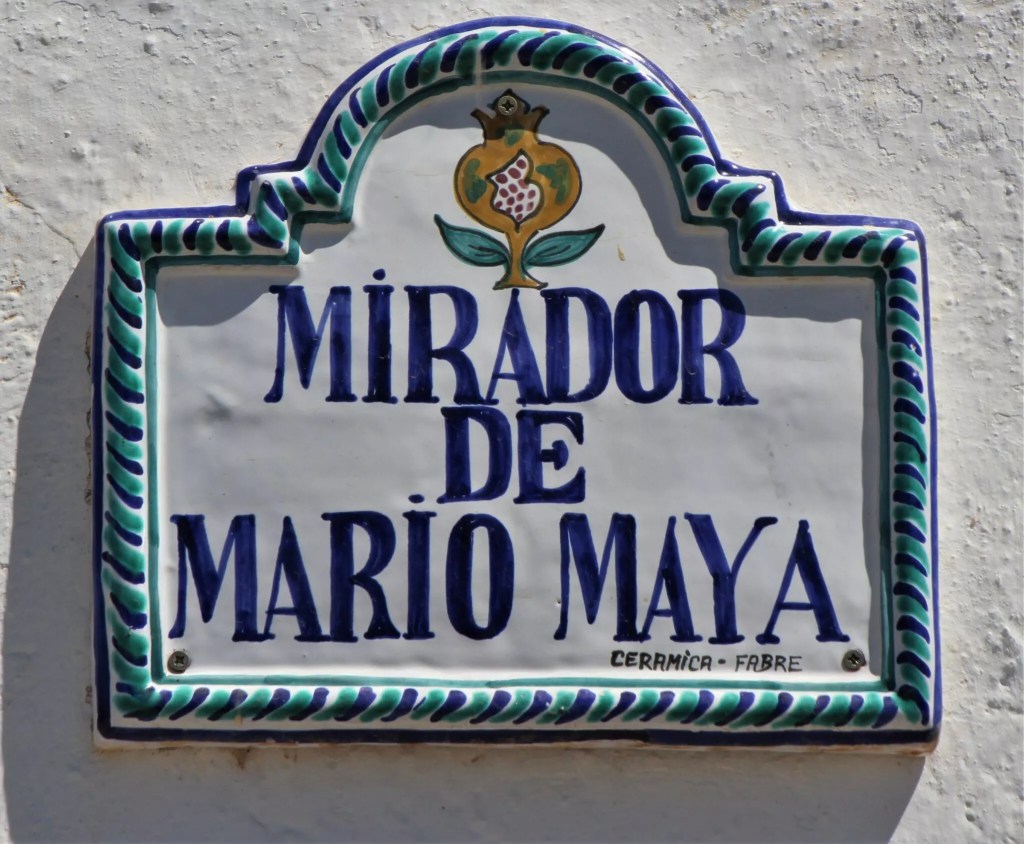
Our favourite viewing position is called Mario Maya, in honour of the famous gypsy dancer who was born and raised in the area known as Sacromonte.
In the 15th century, gypsies found the remains of the patron saint of Granada, San Cecilio and gave the hill the name Sacromonte, which means ‘sacred mountain’ in Spanish.
We didn’t get the chance to make a return pilgrimage to one of the most exciting areas of this ancient city, Sacromonte, where we once saw a remarkable demonstration of flamenco dancing and fabulous gypsy musicians in the Cueva de los Tarantos is one of the most famous gypsy caves for its flamenco nights, but cave dwellings dominate this area.
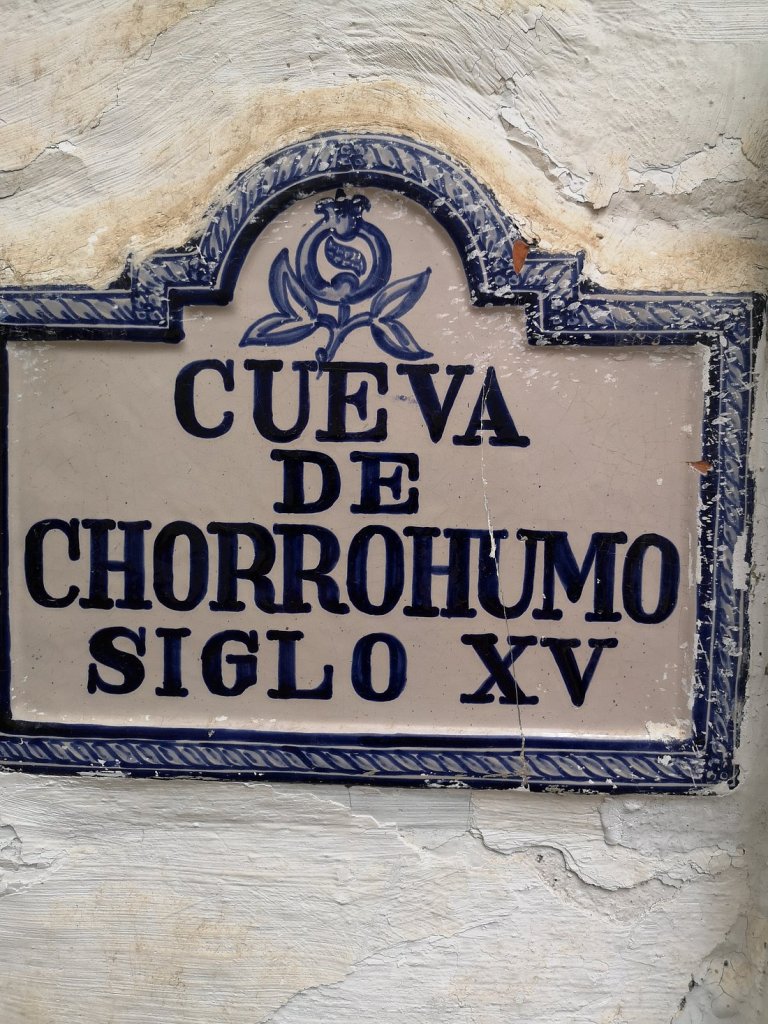
We have spent several nights in cave dwellings, both in Granada and in nearby Guadix, both in winter and in summer and the inside temperature hardly ever varies. They’re the personification of perfect insulation.
Most of the inhabitants of this fascinating place would have been gypsies who arrived after the Moors departed, but I was told that many of them have been rehoused in more recent times. I can confirm many of their number remain and retain their vibrant traditions of dance and music.
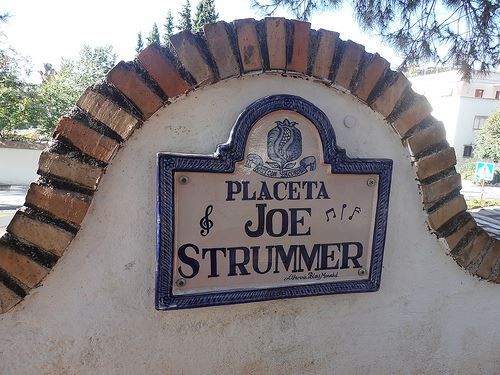
With reference to music, in a very different sense, we managed to arrange our route past the small plaza named after Joe Strummer, the legendary member of The Clash and a subject of a previous blog post referencing his life in a sleepy coastal resort town on the coast.
Life in Granada and Spain influenced the song Spanish Bombs on the London Calling album and Joe Strummer later moved to Spain permanently. I’m not a longtime fan of his music, but there’s no doubting the remarkable nature of his life and effect on the lives of others.
Marigold was devastated to find access to the Bañuelo baths would not be possible as she had talked of little else on the road up from the coast. Those original Arab baths date back to the 11th century and it is the oldest, most important and complete Arab public baths in Spain, as well as one of the oldest survivors of Muslim Granada. Even though a house was built on top of them, the baths survive. We have been in many hammams, often incorrectly termed Turkish Baths, in North Africa and elsewhere in Europe, but this one in Granada remains our favourite.
Regretfully, we set off down the hill again and an hour and a half later, at a house we’d once owned, I stood on the terrace we’d built to provide a seating area overlooking the sea with a glimpse of Morocco on the distant horizon, sun bleached terracotta tiles warm under my bare feet.
A man we used to know, but hadn’t seen for twenty years now seemed to have a job as interceptor of unknown visitors – not an arduous role as the entrance track had suffered in recent storms and was barely passable – told us ‘the new owners only come here in the summer ‘ and we wondered how a familiar vista could still be so perfect. Marigold repeatedly called him Paco and it was only as he left us that he reminded us his name was Candido. I hadn’t remembered his name either, our previous acquaintance had been brief, but wisely avoided ‘guessing.’ If he had been a Brit life would have been much simpler; when I can’t remember a man’s name I just call him ‘mate’ when a name is required.
We parked up on a piece of land we still own. It’s little more than an acre or so of scrubby hillside, with a view, but it’s ours. We abandoned it in the expectation of return in a camper van to park up for a spell on our own piece of Spain, but as we only did that once in the last fifteen years it’s now looking like a neglected patch of land only appreciated by grazing goats. We aren’t allowed to build on it as it’s in a National Park and the only new house nearby belongs to the Mayor. Different rules apply for a Mayor in rural Andalucia.
The last house we owned in Spain was just up the road. As promised, there were no signs of life at the house, so we peeped through the end window and managed to take a photograph of a very familiar interior. Just as we had left it, fifteen years ago. There’s a swimming pool on a lower level now, covered at present, but otherwise not much has changed.
If the owners were in residence we’d never have contemplated knocking on the door of a former house and introducing ourselves. Yes, we lived there once but those days have gone. Gone for ever.
Bygones. It’s our favourite word. Move on to the next adventure.
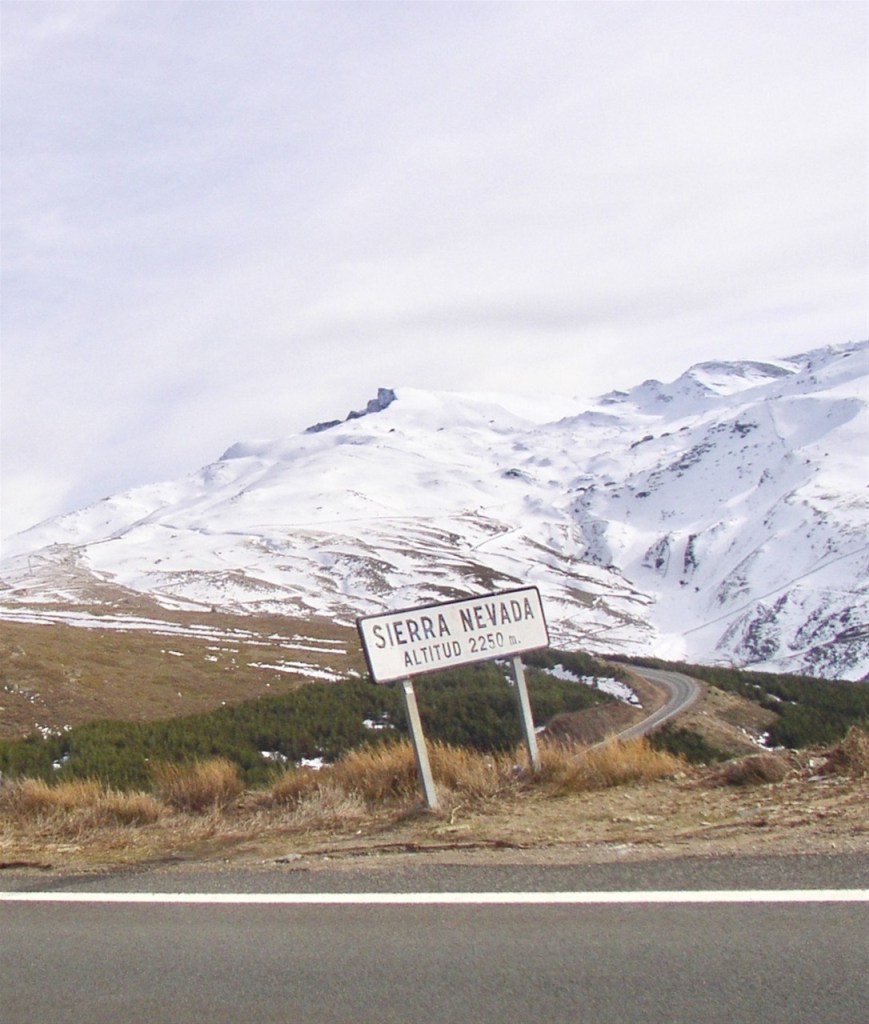
Much colder up here than it was less than an hour ago on the coast
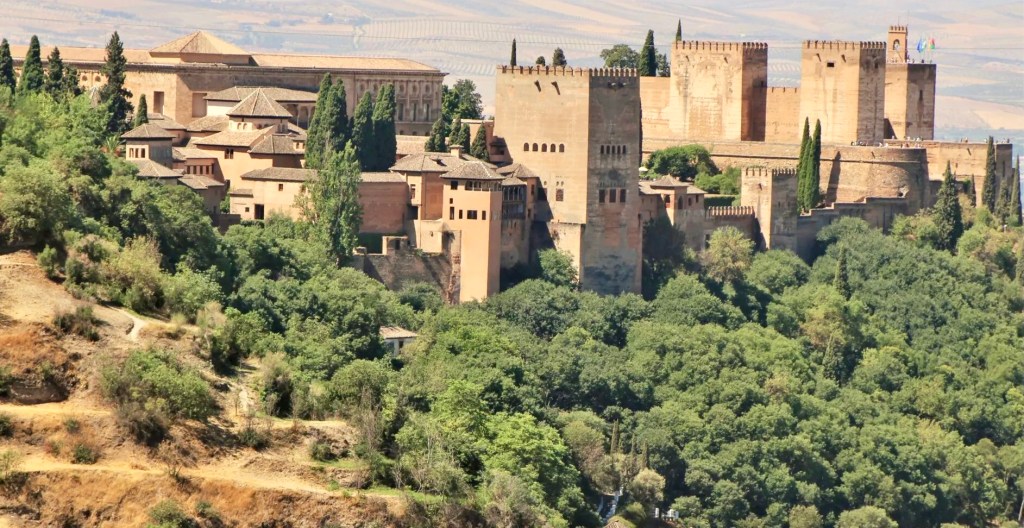
I have taken many photographs from this viewpoint
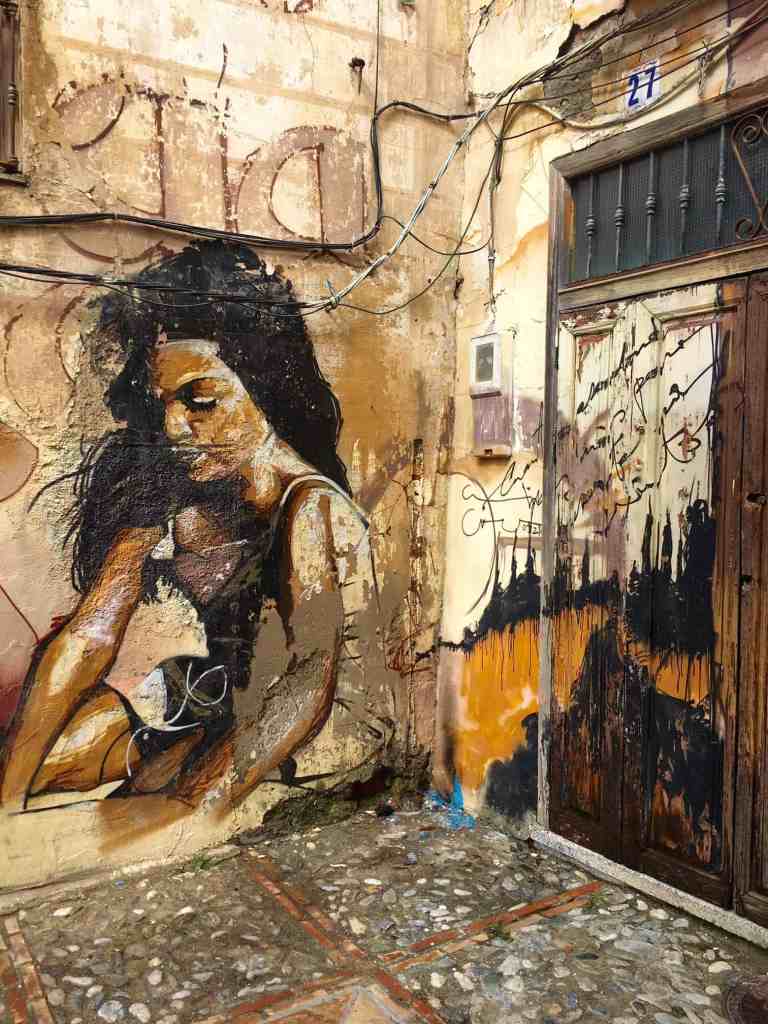
Street art
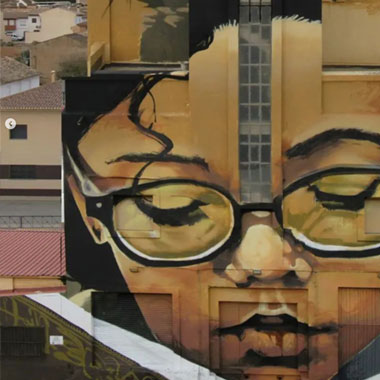
I hate graffiti with a passion, but a talented street artist will stir my soul
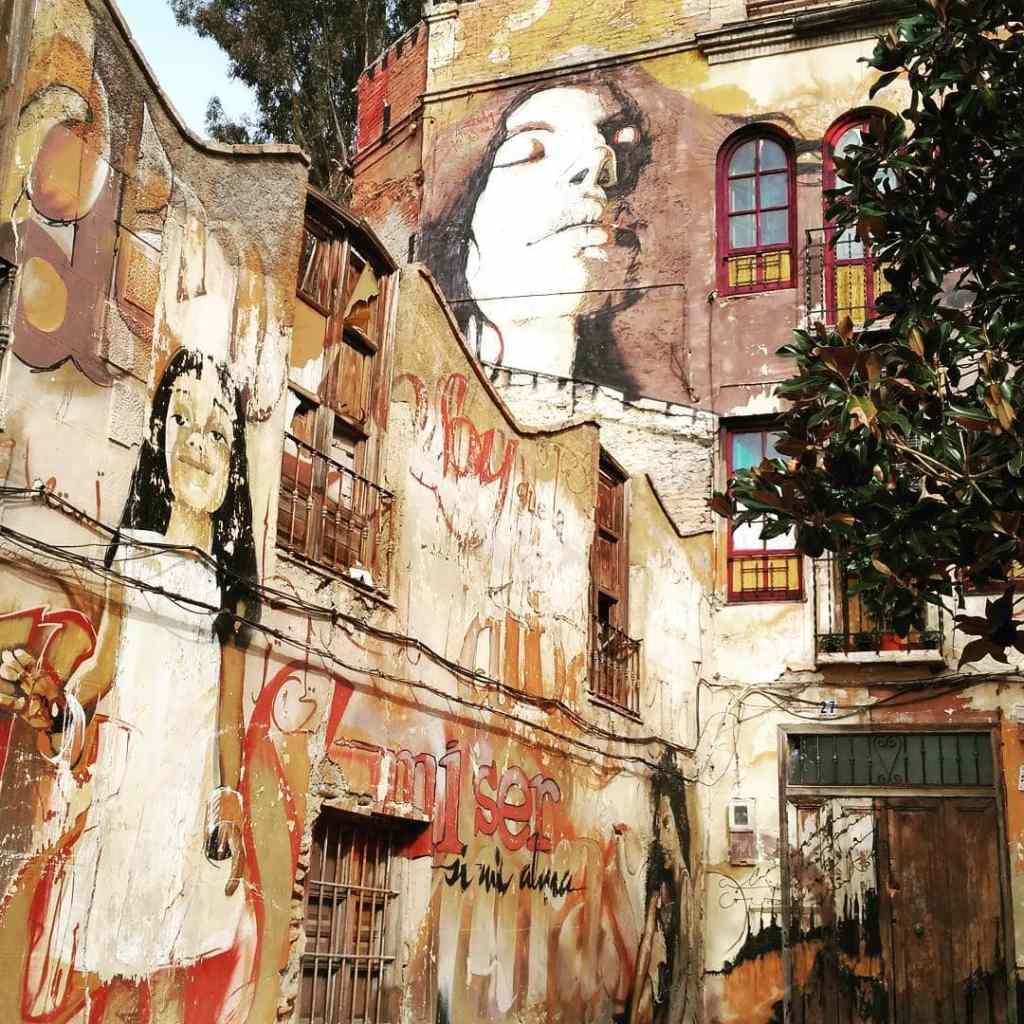
Shabby chic
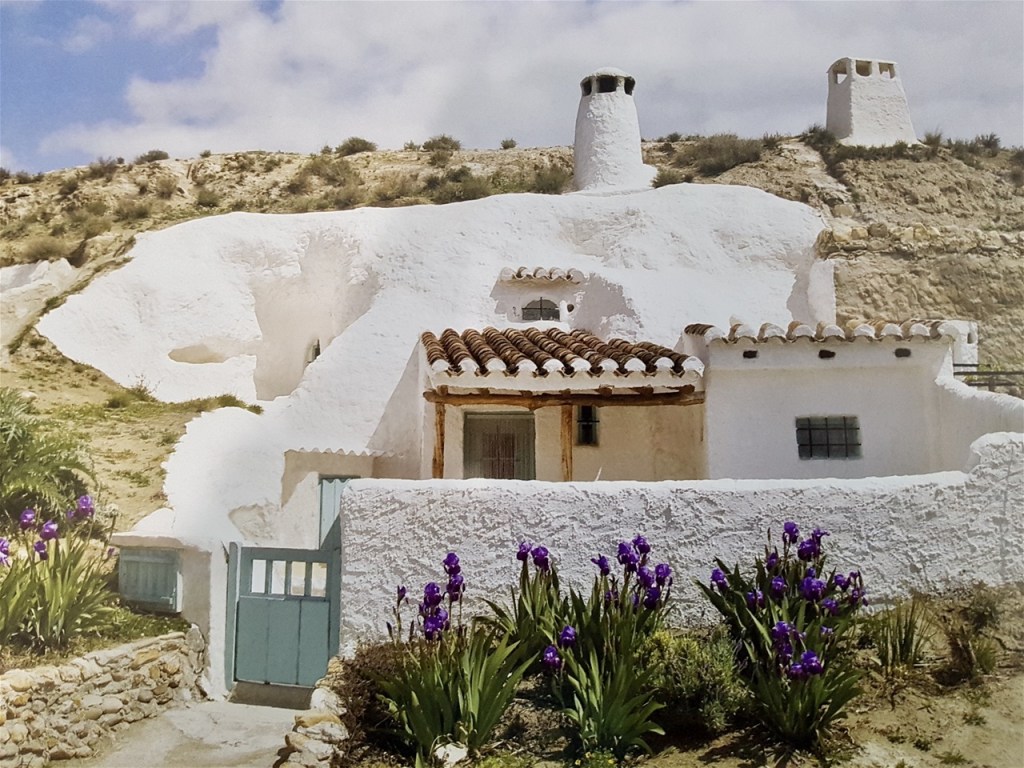
Not in Granada, this is a cave house where we spent a couple of nights in nearby Guadix
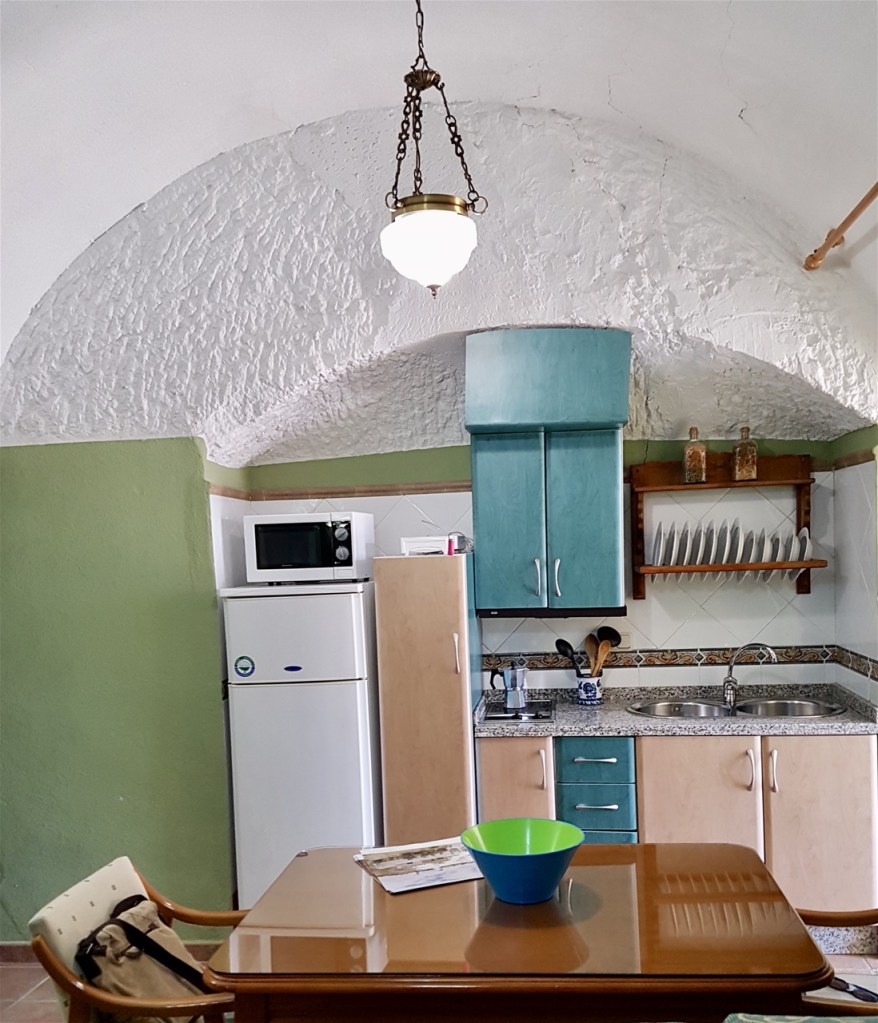
All mod cons here. They’re not all so plush, far from it, but having a warm, dry roof over your head is such a boon.
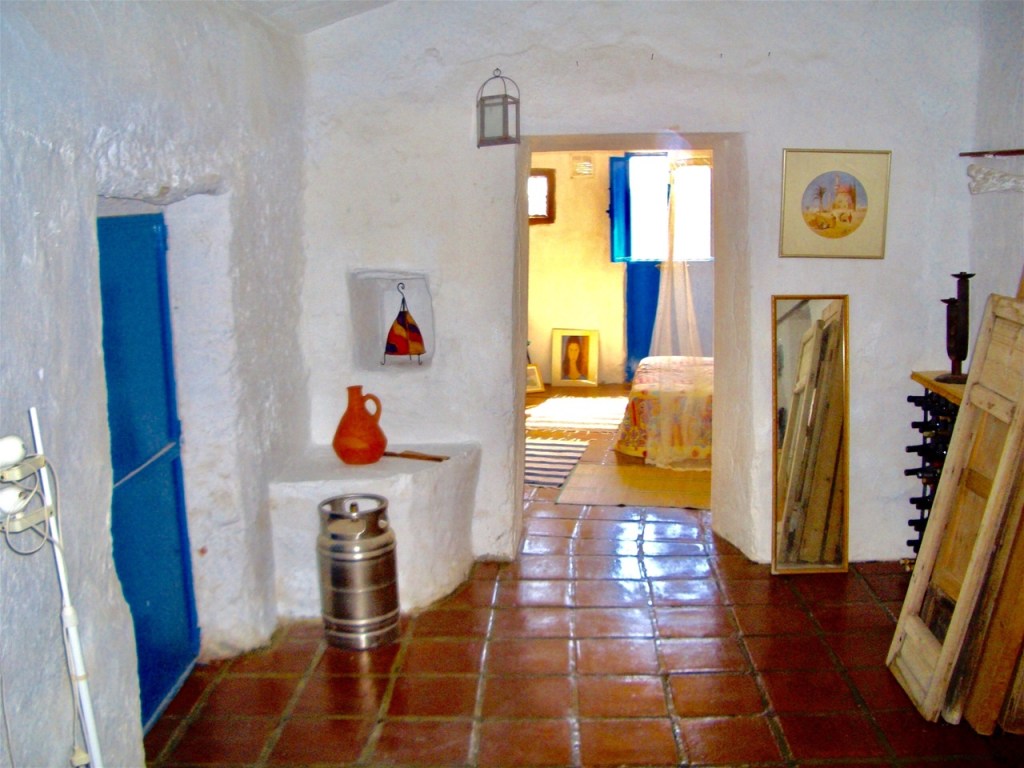
A glimpse inside our last major renovation project. Those laboriously laid floor tiles replaced a ‘dirt floor,’ just hard packed earth. It was a virtual ruin when we started.
 Marigold on Tour